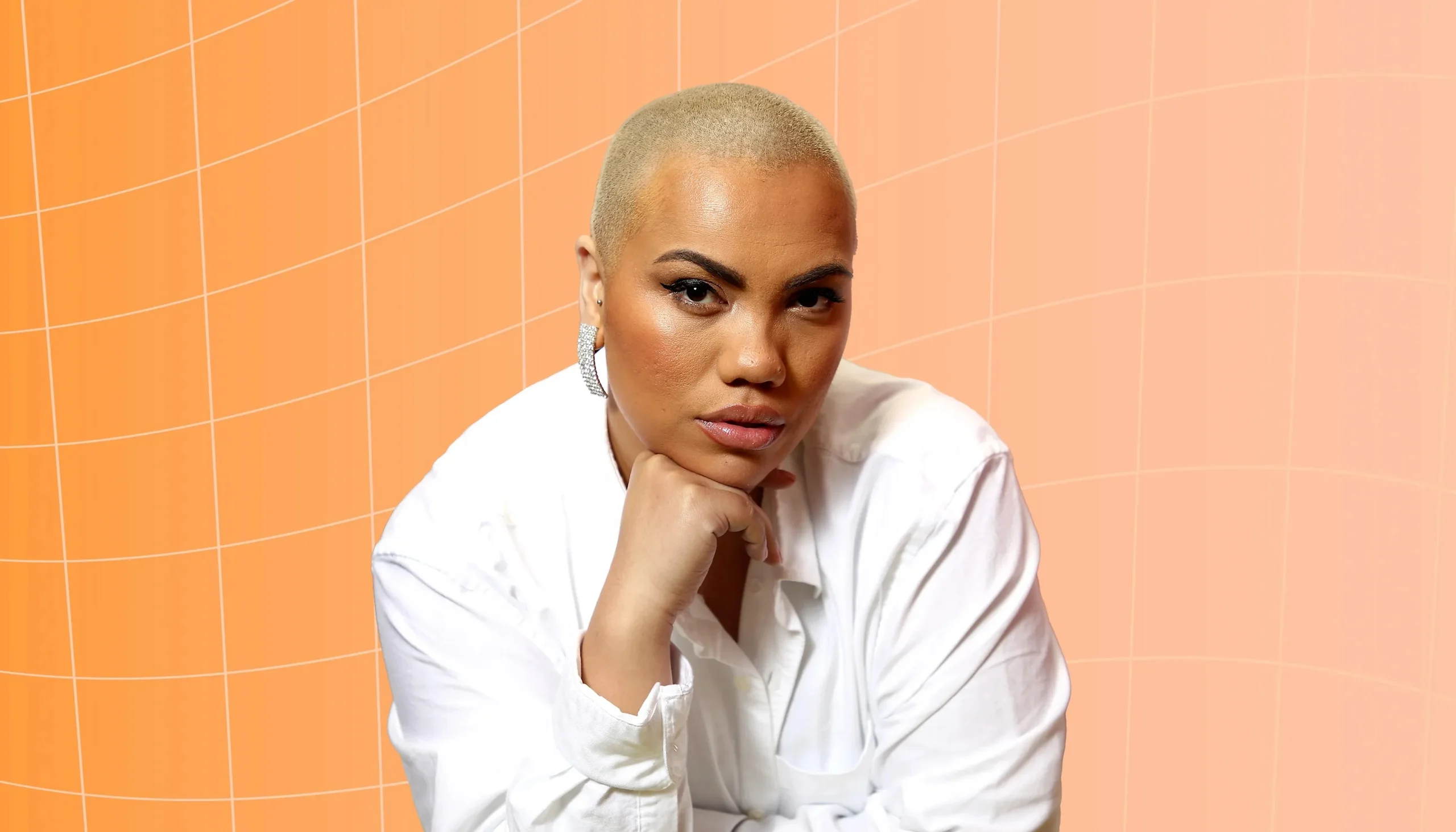
parrisproject.org -A great choreographer doesn’t just arrange steps—they teach the camera where to look. In the last decade, you can almost feel a shift in mainstream performance: movement got sharper, stranger, more theatrical, and more physically “honest” in the way it hits the beat. Parris Goebel sits at the center of that shift, turning dance into a storytelling engine that works in arenas, music videos, and massive televised stages.
If you’ve searched “paris goebel” or even the misspelled “paris gobel,” you’ve still been chasing the same creative fingerprint: a style that’s equal parts hip-hop power, character work, and bold body angles that read instantly on screen.
From South Auckland to a global creative force
Goebel is from Manurewa, South Auckland, and her early career is tied closely to building dance communities, not just booking gigs. She founded Palace Dance Studio in Auckland, which became a hub for crews that started dominating international stages.
That background matters because it explains her “group” sensibility: formations that look alive, dancers who feel like characters, and choreography that stays readable even when there are dozens of bodies in motion.
The studio-and-crew ecosystem she built
When people talk about “Parris Goebel’s dancers,” they’re often referencing a wider ecosystem: the Palace Dance Studio and the crews that trained and competed under that umbrella. Wikipedia notes the Palace Dance Studio produced crews such as ReQuest and the Royal Family, with the Royal Family achieving historic success at the World Hip Hop Dance Championship.
This is one reason her work scales so well. She’s used to building movement for teams, not just for one star in the middle of the frame.
What her movement style looks like in plain language
The quickest way to describe her style: it’s muscular, theatrical, and unafraid of “ugly-pretty” moments—faces, angles, and textures that don’t aim for polite. Vogue describes her movement as powerfully expressive, with joint-twisting, form-defying qualities, blending hip-hop with Polynesian influences and classic performance references.
That’s why her choreography often goes viral: it’s not just dance you watch, it’s dance you recognize.
A practical Parris Goebel choreography list (high-impact highlights)
A full “parris goebel choreography list” could run long, so here are five widely cited, career-defining landmarks that show range across video, touring, and live spectacle:
-
Justin Bieber’s “Sorry” and the wider “Purpose: The Movement” era (music video direction/choreography work is frequently referenced in profiles).
-
Jennifer Lopez’s 2012 Dance Again World Tour (often described as a major breakthrough moment).
-
Rihanna’s Savage X Fenty shows (high-profile performance choreography work mentioned in multiple write-ups).
-
Rihanna’s 2023 Super Bowl halftime show (noted by Vogue for scale and choreography impact).
-
Vogue World: Paris (artistic direction/choreography cited as part of her recent high-fashion performance work).
Beyond those, interviews and industry coverage frequently point to her ongoing work with major pop artists and large-format performances, where her choreography functions like a visual brand.
Why “parris goebel net worth” is hard to answer cleanly
Search demand is real—“parris goebel net worth” spikes because people want a simple number to summarize success. The problem is that choreography careers don’t map neatly onto public salary tables, and verified financial details typically aren’t disclosed.
What can be said with confidence is how choreographers at her level earn: creative direction fees, choreography contracts, touring work, commercial deals, education platforms, and IP from larger productions. The public numbers you see online are usually estimates, and they can vary wildly depending on what the site assumes.
If you want a smarter lens than a single figure, look at the scope of projects: stadium-scale work, headline performances, and recurring collaborations are usually more meaningful than any unverified estimate.
How people actually encounter her work (a small detail beginners miss)
Most beginners think of choreography as “steps.” In practice, Goebel’s work shows how much is editing-proof: movements are built to survive close-ups, wide shots, and fast cuts. That’s why you’ll see people learn her routines online and still feel like something’s missing—often it’s not the step, it’s the texture: the timing of a head angle, the commitment in the torso, the character in the pause.
It’s the same reason dance crews replay her pieces like they’re studying a language.
A quick cultural aside (because not everything needs to be serious)
Creative communities unwind in weird ways. Between rehearsals, tour travel, and long studio nights, people decompress with whatever makes them laugh—sometimes it’s classic card games, sometimes it’s a deliberately rude party deck with a title like the go fuck yourself card game. It’s not deep; it’s just a pressure valve.
Parris Goebel’s influence isn’t limited to a single video or tour—it’s in how modern pop performance learned to be bolder, stranger, and more character-driven. If you’re building your own “parris goebel choreography list,” start with the landmark projects, then trace the style: expressive control, big shapes, and movement that tells a story even with the sound off.